Have you ever read a book that you just loved, but then you watched the movie version and it’s just so different that you’re disappointed, sad, or even angry? As a librarian who also loves movies, I’ve had that happen many times. So what’s to be done?
With few exceptions, movies and even series (formerly known as T.V. shows) simply cannot convey the same experiences as an entire book. Both can be completely immersive, but in different ways. Because movies usually only have 1.5-2.5 hours to convey the same story as a novel, they often have to skip many sections or details of the book. The plot lines and characters may not translate well directly to film, so the screenwriters have to adapt elements in the book in ways that devoted readers may not appreciate. It’s not that the movie versions are worse than their book origins, they’re just different.
This book-then-movie disappointment happened so many times to me that I finally started reversing the order: if I’m interested in a book and I know there’s a movie version available, I will watch the movie first, and then read the book. This prevents much disappointment, and allows me to enjoy both experiences to their fullest.
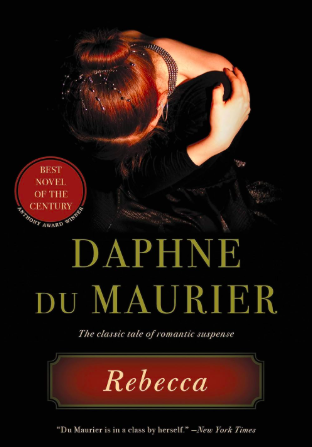
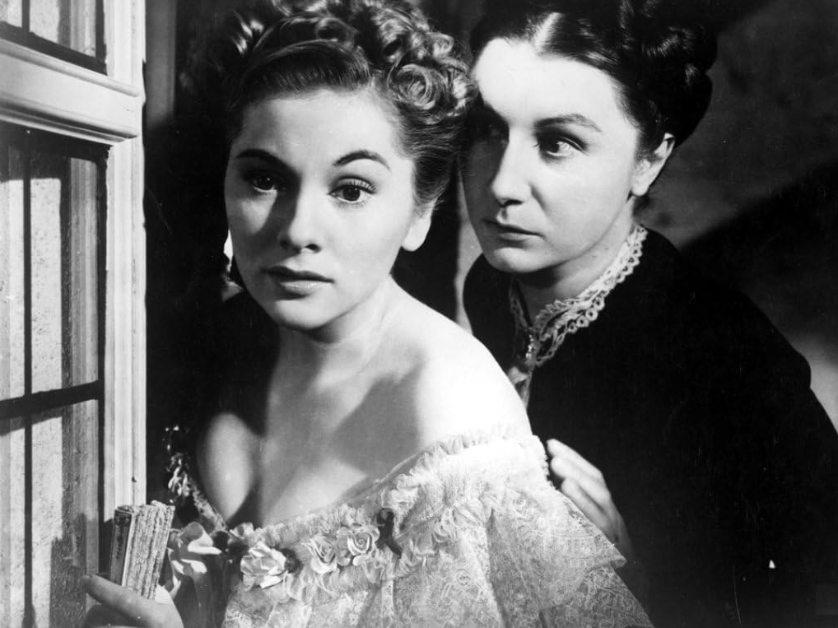
The novel and movie Rebecca represent the quintessential example of why watching the movie version of a book first can be so much rewarding than the traditional book-then-movie approach. Alfred Hitchcock‘s 1941, Best Picture winning rendition of Daphne du Maurier‘s bestselling, timeless novel Rebecca perfectly represents the book in a visual format. But if you read the book first, you may be irritated at the differences. In this case, the reality-shattering twist that redefines the entire plot actually works better in the movie than in the book because of the Oscar-nominated acting by Laurence Olivier.
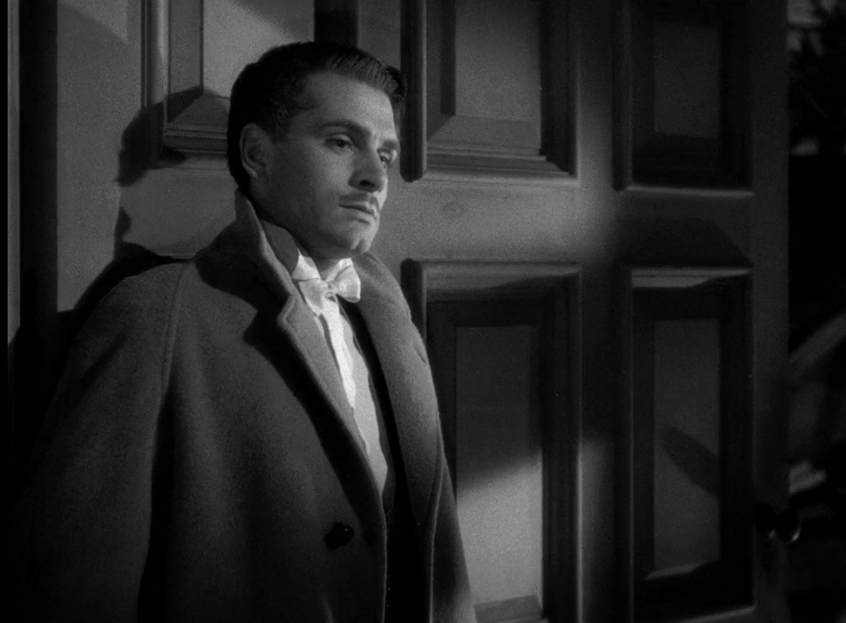
Speaking of the Oscars, they are the perfect opportunity to put my theory into practice. Many, though not all, of the award willing films began their lives as novels. In cases of original screenplays, like Sinners and K-Pop Demon Hunters, there are many related books that you can read to give you similar, and often much longer and more luxurious, experiences. Here are my book recommendations based on this year’s Academy Award winners.
One Battle After Another
Winner of the Academy Award for Best Picture, Best Director, Best Actor in a Supporting Role, Best Adapted Screenplay, Best Film Editing, and Best Casting
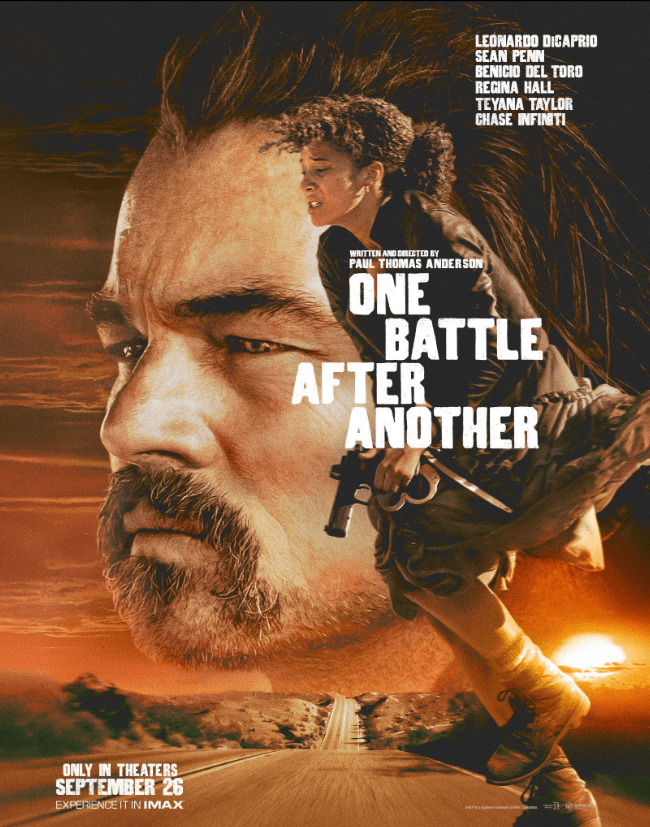
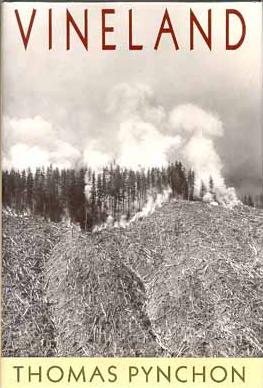
Writer/director Paul Thomas Anderson loosely based the screenplay for One Battle After Another on the novel Vineland by Thomas Pynchon. You can check out the book at (you guessed it) Russell Library.
However, not everyone is a big fan of Thomas Pynchon. I include myself in that group. (No offense, Tom). Dr. Slowik (who scored 11 out of 12 Oscar predications, by the way) recommends the book Days of Rage: America’s Radical Underground, the FBI, and the Forgotten Age of Revolutionary Violence by Bryan Burrough, which Leonardo DiCaprio gifted to Paul Thomas Anderson as preparation for filming of One Battle After Another.
Sinners
Winner of the Academy Award for Best Original Screenplay, Best Actor in a Leading Role (Michael B. Jordan), Best Original Score, Best Cinematography, and nominated for a record breaking 16 Oscars in total
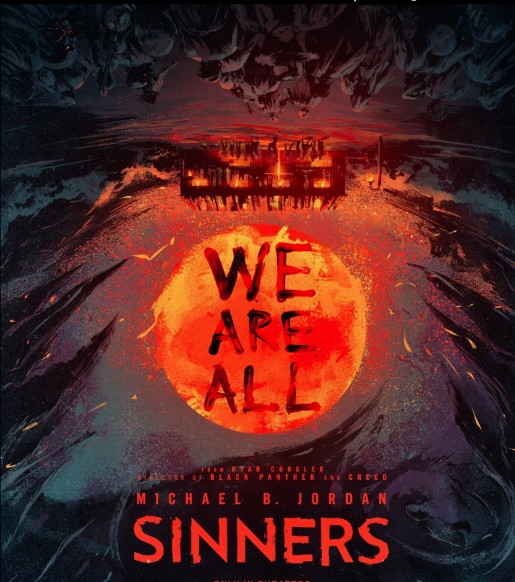
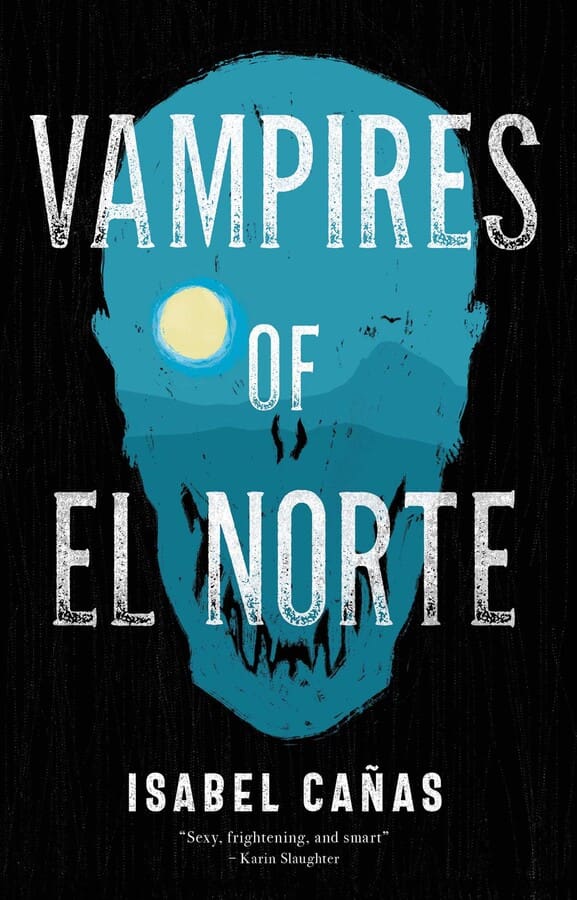
Although Sinners is an original screenplay by director Ryan Coogler, there are many books about vampires and/or racism you can read. Vampires of El Norte by Isabel Cañas tops that list. If you’re interested in reading historical fiction about racism against African Americans with a supernatural twist, I personally recommend Beloved by Toni Morrison. I also loved Interview with a Vampire by Anne Rice.
Hamnet
Jessie Buckley won Best Actress by playing the grieving mother of the title character, Hamnet or Hamlet. Hamnet was also nominated for Best Picture, Best Director, Best Adapted Screenplay, Best Casting, Best Production Design, and Best Costume Design.
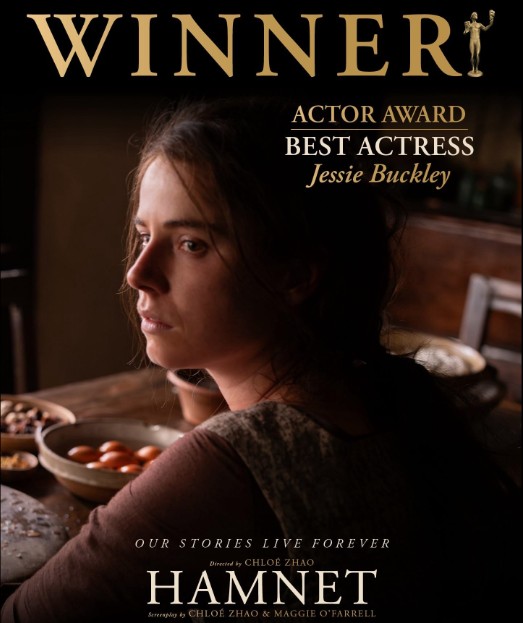
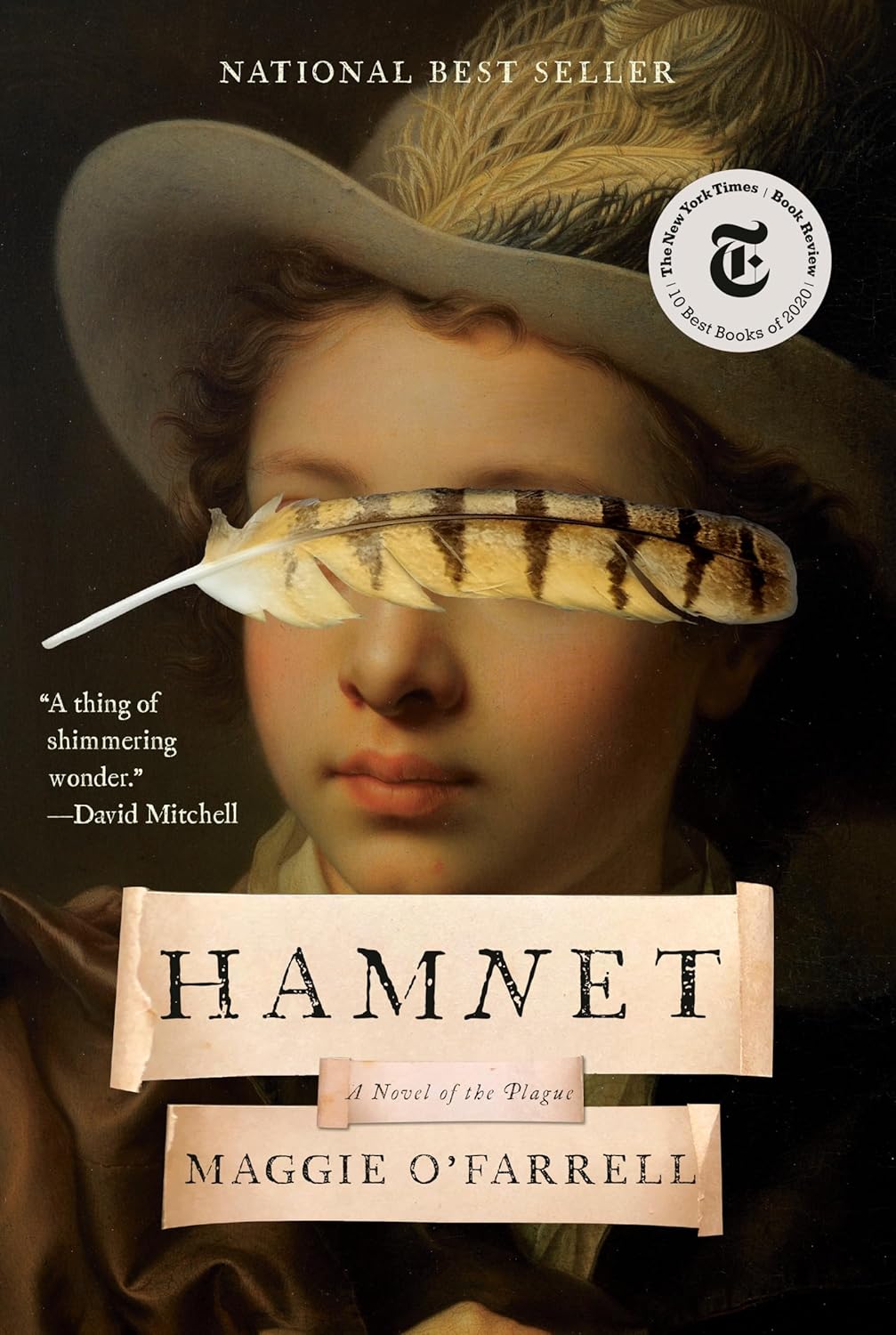
You can read the bestselling novel Hamnet (2021) that the director Chloé Zhao based the movie’s screenplay on by checking out it the library. If Tudor England with plenty of nitty-gritty plague-type realism is your thing, try the Wolf Hall trilogy by Dame Hilary Mantel. The trilogy includes Wolf Hall, Bring Up the Bodies, and The Mirror and the Light.
I also love The White Queen by Philippa Gregory. It takes place a generation before Shakespeare, but is also a fictional account of a strong, often unnoticed, historical woman. Both the Wolf Hall trilogy and The White Queen also feature popular screen versions, realistic depictions of historical times (which help me appreciate our current times) and sequels to sink your teeth into.
K-Pop Demon Hunters
Winner of Best Song and Best Animated Film, this international cultural sensation speaks to all ages, though technically aimed at preteens. As a big fan of Studio Ghibli and Miyazaki films such as Spirited Away and My Neighbor Totoro, I love this movie though my own pre-teen refuses to watch it. I’ll also confess that I went through my own Buffy the Vampire Slayer phase in my time, and K-Pop Demon Hunters has a definite Buffy/Spike angle to it.
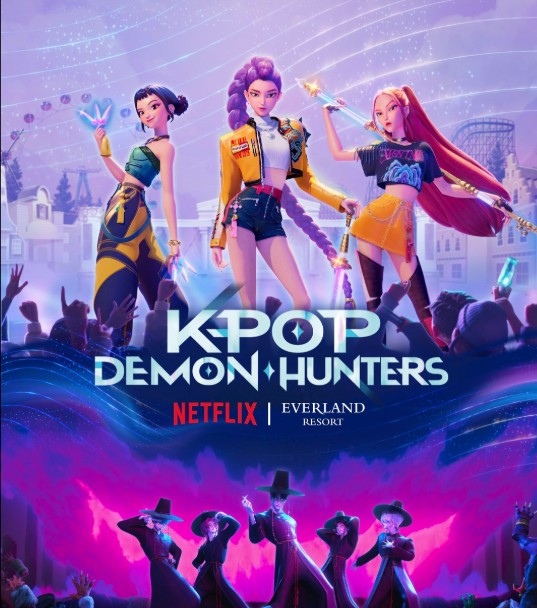
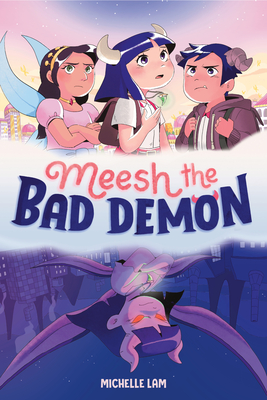
While K-Pop Demon Hunters also has an original screenplay, there are many examples of demons in popular culture from East Asian countries like Korea. Our resident manga connoisseur, Dillon, has kindly recommended the Meesh the Bad Demon series by Mai Nguyen and Anzu and the Realm of Darkness by Michelle Lam for our younger readers. Teens and adults may enjoy The Fox Maidens by Robin Ha. For adults who want to know more about South Korean culture, I recommend Pachinko by Min Jin Lee, which was a 2017 National Book Award finalist. It’s a fictional story about an unconventional Korean family and their struggle to survive racism, war, exile, and shame.
If I Had Legs I’d Kick You
I’ll admit I’m cheating a bit here. Though nominated for Best Actress, Rose Byrne did not win. However, both Dr. Slowik and I agree that she should have won for her incredibly complex and modernly relevant performance. (No offense, Jessie Buckley.)
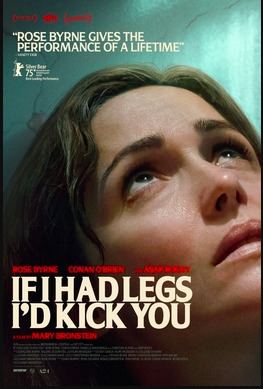
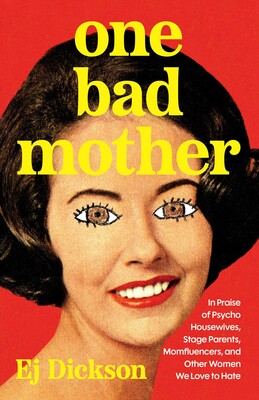
Director Mary Bronstein wrote the original screenplay for If I Had Legs I’d Kick You loosely based off of her own experiences caring for a sick child while attempting to work full time. I personally cannot recommend this movie enough. I also recommend the book One Bad Mother by EJ Dickson, which examines the concept of a “bad mother” from a historical and hysterical point of view.
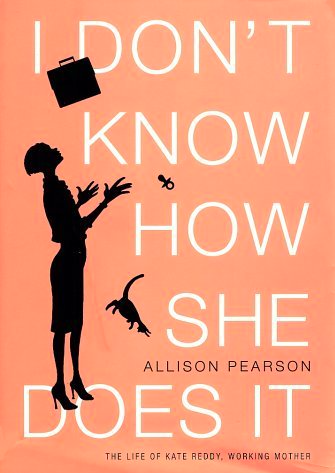
Fictional, but just as realistic, funny, wrenching, and relevant is I Don’t Know How She Does It by Allison Pearson. I Don’t Know How She Does It also has an excellent movie version, starring Sarah Jessica Parker, and a sequel (How Hard Can It Be?) that fearlessly tackles raising teens in the age of social media, returning to work after serving as a ‘domestic goddess’, and perimenopause.
Have you already read these recommendations? Or do you need something tailored more to your own style? Try using our Russell Library subscription, Novelist, to find “read-alikes” for any of these titles. For example, the site has an entire section of recommendations for fans of K-Pop Demon Hunters. You can either use your Russell Library card number to log in from home, or use any one of our PCs at the library. Many other public libraries also subscribe to Novelist, so if you’re not a Russell Library card holder, you may be in luck any way. Learn more about Novelist in this post from The Library Vault.
Happy reading.
Images courtesy IMDB, which I also highly recommend.
 The Library Vault
Leave a comment