As graphic novels are trending more and more, the term “manga” might have tickled your ear. What is manga and where did it come from? My name is Dillon, I am a new Library Associate here in our Information Services and Adult Learning Department. I’m here to shed some light on the subject.
Manga (pronounced Maang-gah) is the Japanese word for comic, so naturally ‘comic’ is exactly what manga is. Americans have adopted the word manga to specifically refer to Japanese comics as well as the word anime (pronounced aa-ni-may) to refer to Japanese cartoons that are often adaptations of said manga. Similar to how America’s own Marvel and DC comics inspired so many cartoon shows and movies, it is completely normal for animation studios in Japan to pick up a trending manga and turn it into a cartoon. Simple as that.

Spiderman: the animated series (1994)
Now if you might be thinking “I don’t know what the big deal is” or “I’ve never heard of manga,” allow me to share some statistics with you. In 2022, the global manga market size was reported to be valued between 11.45-12.13 billion USD and is expected to grow at an annual compounded rate of 17.4% from 2023-2030. While Asia Pacific is the dominant consumer of manga, North America is the fastest growing market for manga worldwide. 16.9 million units of manga were reportedly sold in 2022 in the U.S. alone, which accounted for about 54% of the total graphic novel sales and made close to 250 million dollars that year. Manga is by far the most popular version of graphic novels right now, and it is taking the U.S. by storm. This is no longer just some foreign niche genre, but a new titan in the graphic novel industry with various sub-genres of its own.

Attack on Titan Volume 1, Chapter 3: Night of the Disbanding Ceremony
My introduction to manga and anime came from watching cartoons as a child. Occasionally, I would catch a stray episode of “Naruto” or “Dragon Ball Z” on Toonami. While I wasn’t too invested in anime at a young age, my familiarity with the genre led me to reconnect with it years later. In late high school and throughout college, I started watching anime again. Some high school friends recommended a few shows to me and I got hooked. After catching up on the current episodes and not wanting to wait for the next seasons to come out, I went straight to the source material (the manga). I had read my dad’s old comic books so the speech bubbles and two page spreads were all too familiar to me. The only thing I had to get used to was reading from right to left.

WikiHow to read Manga
In manga, the top right is where the page starts, and the bottom left is where it ends. This is because Japanese characters are written to be read top to bottom and right to left. When translated into English, the manga is printed with blank speech bubbles and later filled in with English text, but the printers don’t bother mirroring the images to make the book go left to right like what we are used to as English readers. As the readers, we are forced to adapt. Not a hard adjustment to make, but a little disorienting at first. Trust me when I say that the adjustment is worth it.
Manga and graphic novels leave a lot less to the imagination than text-only books do. The images on the page guide the reader through the action as it happens and create a world where the reader can imagine movement in between the still frames. The art on the page is just as, if not more, important than the text inside the bubbles, as the format allows details to be shown instead of written. The artists behind these comics have mastered their crafts of dynamic posing and gesture lines to portray intense action in the pages within, and have created some truly epic scenes. If you are a fan of comics, art, or just good storytelling, and you have not tried picking up some high quality manga, you are in my opinion doing yourself a disservice. Manga as a medium can portray things with an intensity that you just can’t get anywhere else.
If you are interested in manga or this blog has sparked your interest, come find me in the library to talk comics. If local interest grows, maybe look forward to a blog series here where I share my anime and manga recommendations. In the meantime, I suggest you start reading. LCI (Library Connection Inc.) has access to a good selection of manga that I hope to expand, so if what you are looking for is not on our shelves, ask a librarian about it and to see if we can get it shipped to your local library. Happy Reading!
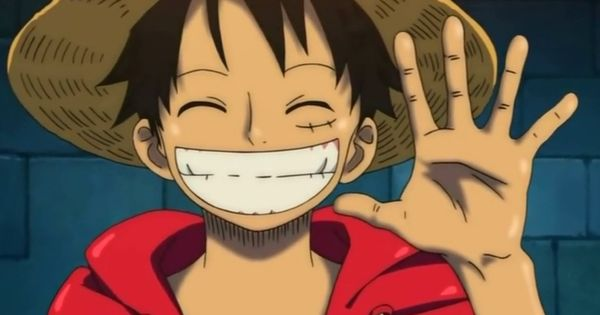
Monkey D. Luffy from One Piece
-Dillon Willhelm, Library Associate in Information Services and Adult Learning and Russell’s own Anime and Manga connoisseur.


 The Library Vault
Leave a reply to Melissa Cancel reply