What is it about folklore that continues to capture the imagination? Perhaps it stems from a human need to understand the past and our cultural roots. Maybe the fascination is fueled by the way it connects us to one another, regardless of where we call home. Folklorists often disagree about how to accurately define folklore, but Ronald Hutton—Professor of History at the University of Bristol and one of the leading historians of British folklore—treats folklore as the customs, beliefs, stories, songs, and practices that ordinary people use to make sense of their world. In his view, folklore serves to connect people to place, history, and one another, giving emotional or symbolic meaning to the everyday. In short, folklore is the way we communicate who we are.
As humans, we’re wired for connection. In the earliest times, our stories and songs were shared orally around a fire, passed thoughtfully from generation to generation. Now our stories may come in the form of blog posts, podcasts, and tweets, but they continue to flow just the same. Folklore is not simply a survival of the past; it’s an ever-changing expression of community, reshaped for our contemporary needs.
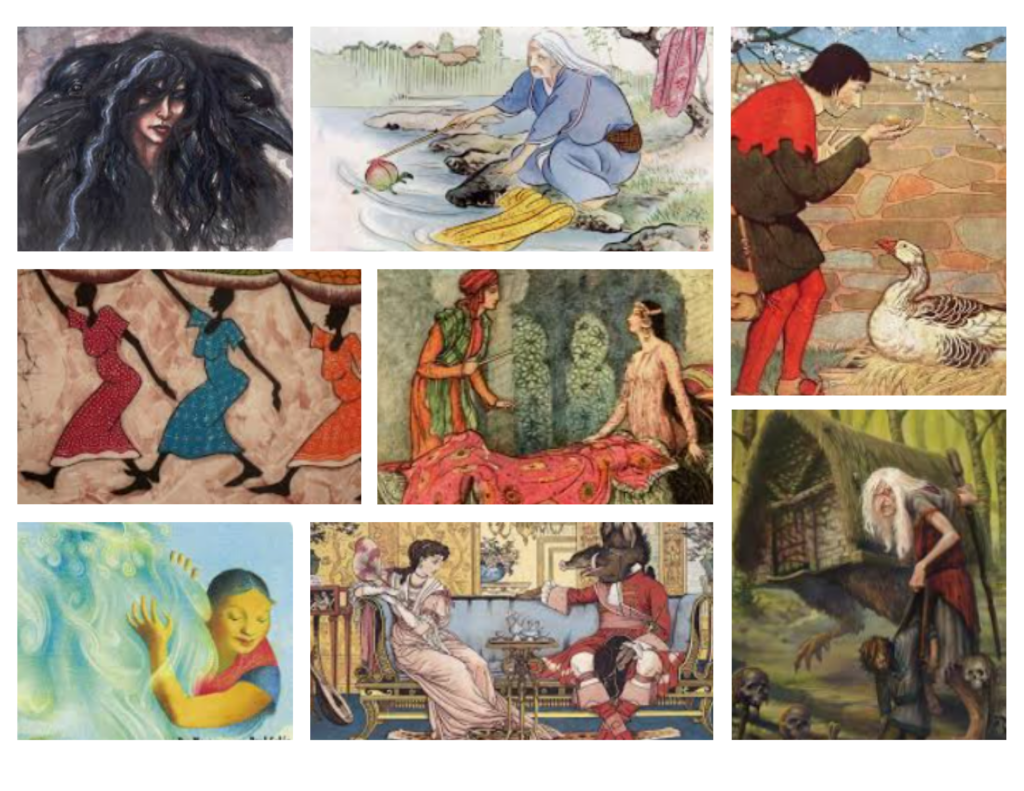
The fact that these stories continue to endure generation after generation, demonstrates the power they hold over the human psyche. These tales reflect the human experience in simple and profound ways. They force us to reckon with our morality by reminding us that our actions have consequences. Through these stories, the listener learns about kindness , honesty, and courage, alongside greed, spite, and wrongdoing. Not only do folktales teach us about developing individual character, they also show us how to be in relationship. We’re invited to explore the good, the bad, and the ugly in ourselves and in others. We may not want to hold up a mirror to our morality, but folktales often succeed in penetrating even the densest facades.
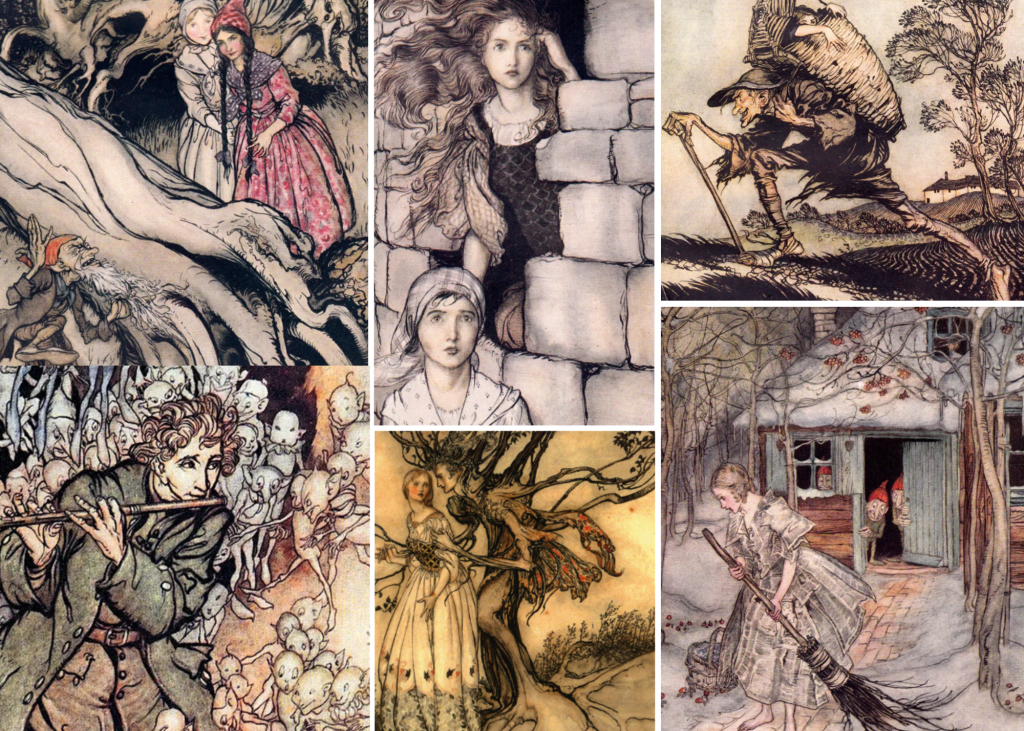
And in a world that regularly insists on choosing division over connection and condemnation over acceptance, folktales remind us to have empathy for our fellow humans, even when we don’t agree with each other. They serve to create a deeper understanding of places and people unfamiliar to us. In story, we can travel to far-flung lands and learn about the customs and traditions of various cultures. Not only does this knowledge foster respect and appreciation, it also shows us that we’re not as different from one another as we previously believed. The current state of the world clearly illustrates how much we continue to need this lesson.
With so much rapidly changing around us, it’s a comfort to know that in every land, among every culture throughout history, folklore is there quietly holding the threads together. What a gift to carry the stories of our grandmothers and grandfathers of long past. But even if our stories were lost along the ancestral line, we can still connect by simply stepping into the library. Among the stacks, you’ll find tales from near and far. You can experience familiar, traditional stories right alongside reimagined modern interpretations. These are the tales of your grandmother and your granddaughter. These are the tales that will continue to bind us.
So whether you’re seeking a little awe and magic, or simply struggling to understand the world, yourself, or others, the wisdom you need can be found in folklore. I invite you to choose a corner of the globe and a moment in time, the library will provide just the right tale for you.
‘The cave you fear to enter holds the treasure you seek.’
Joseph Campbell
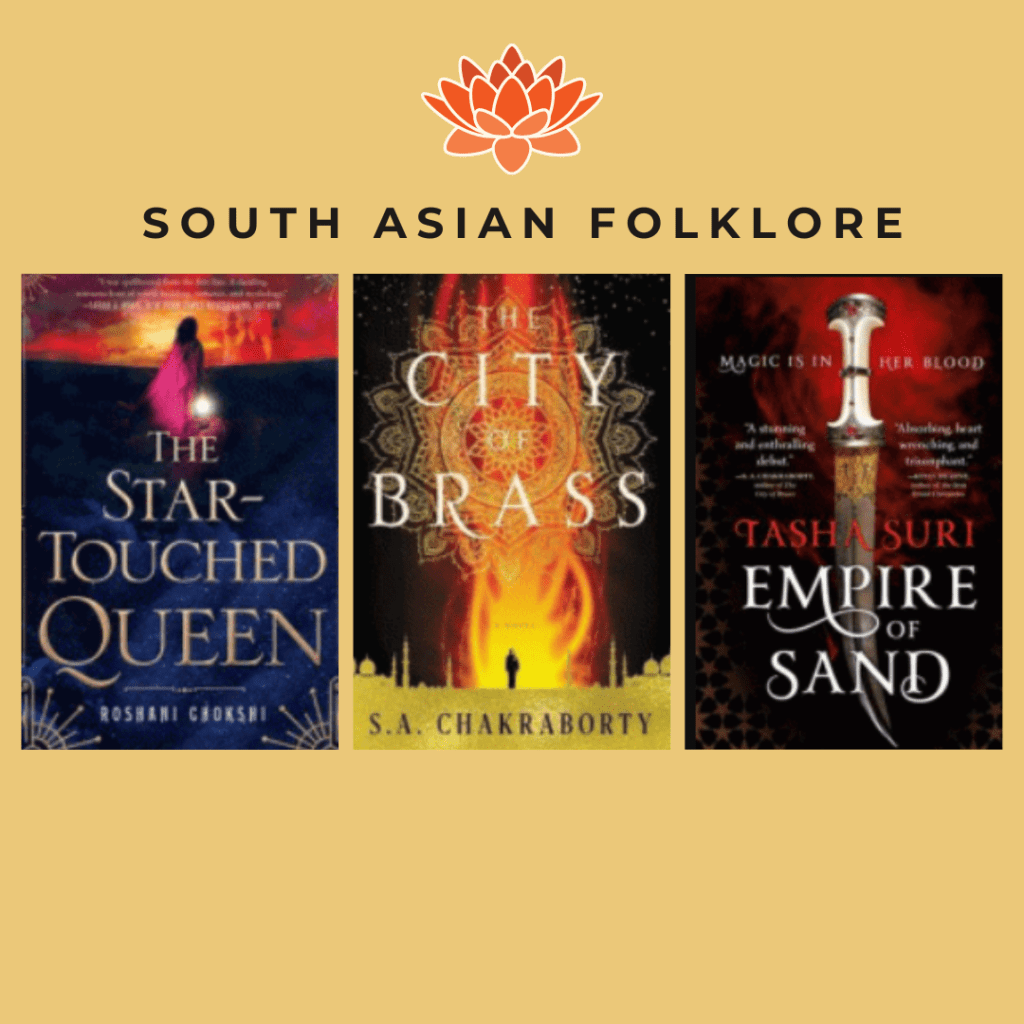
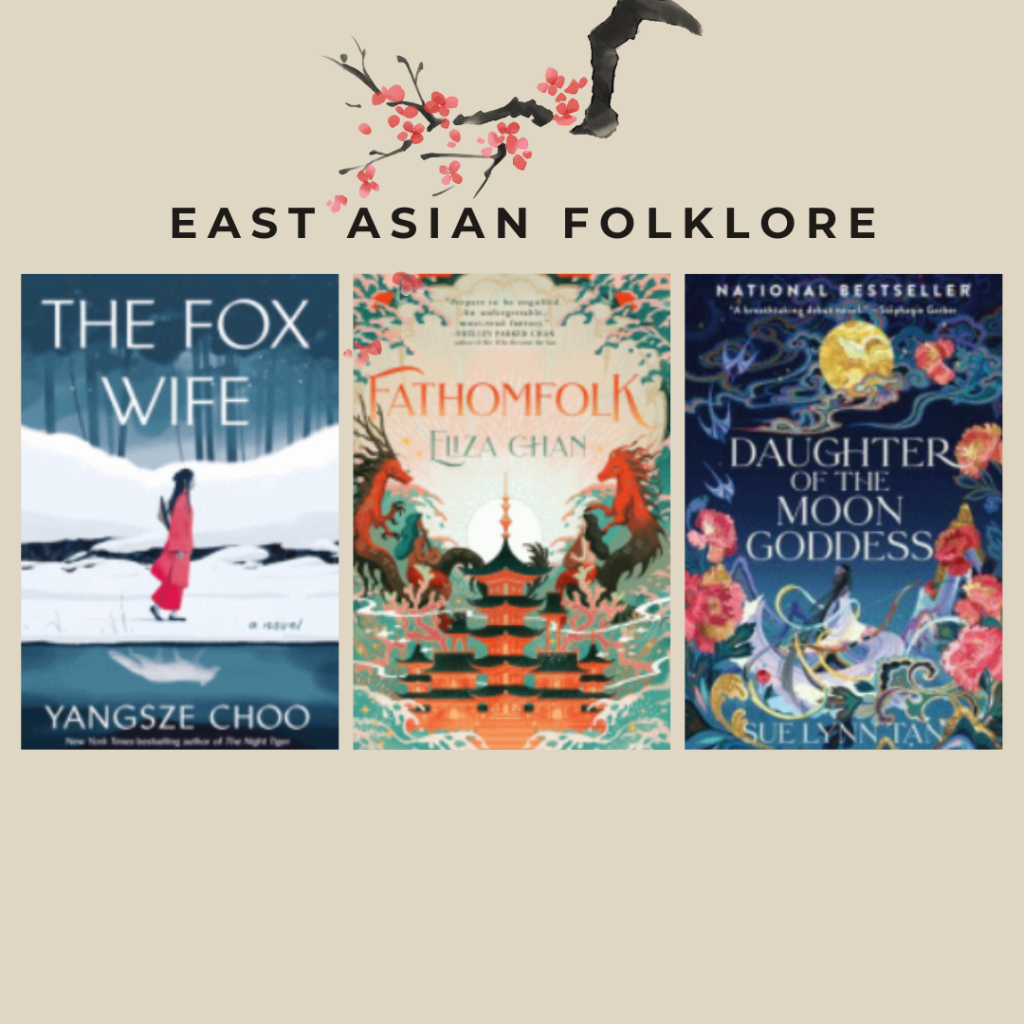
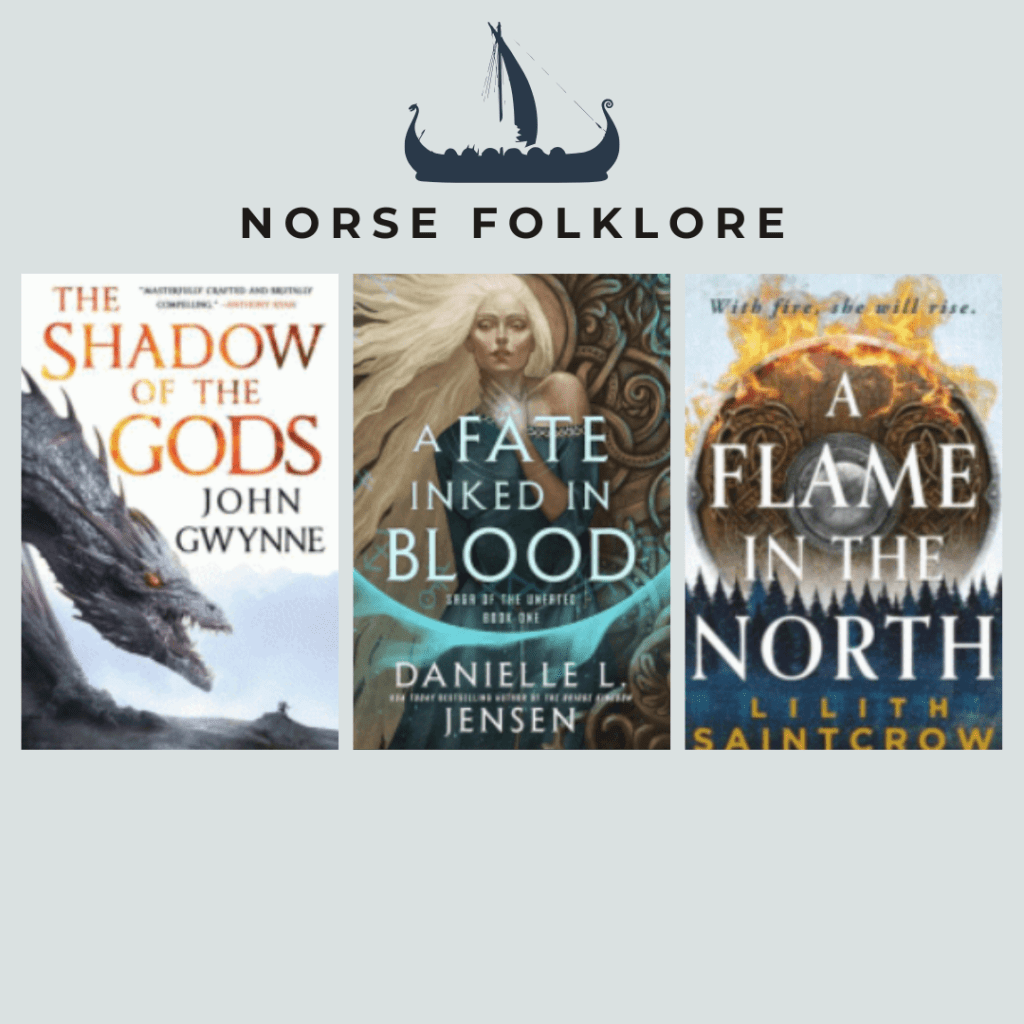
Get a taste of the bounty that awaits by peeking below.
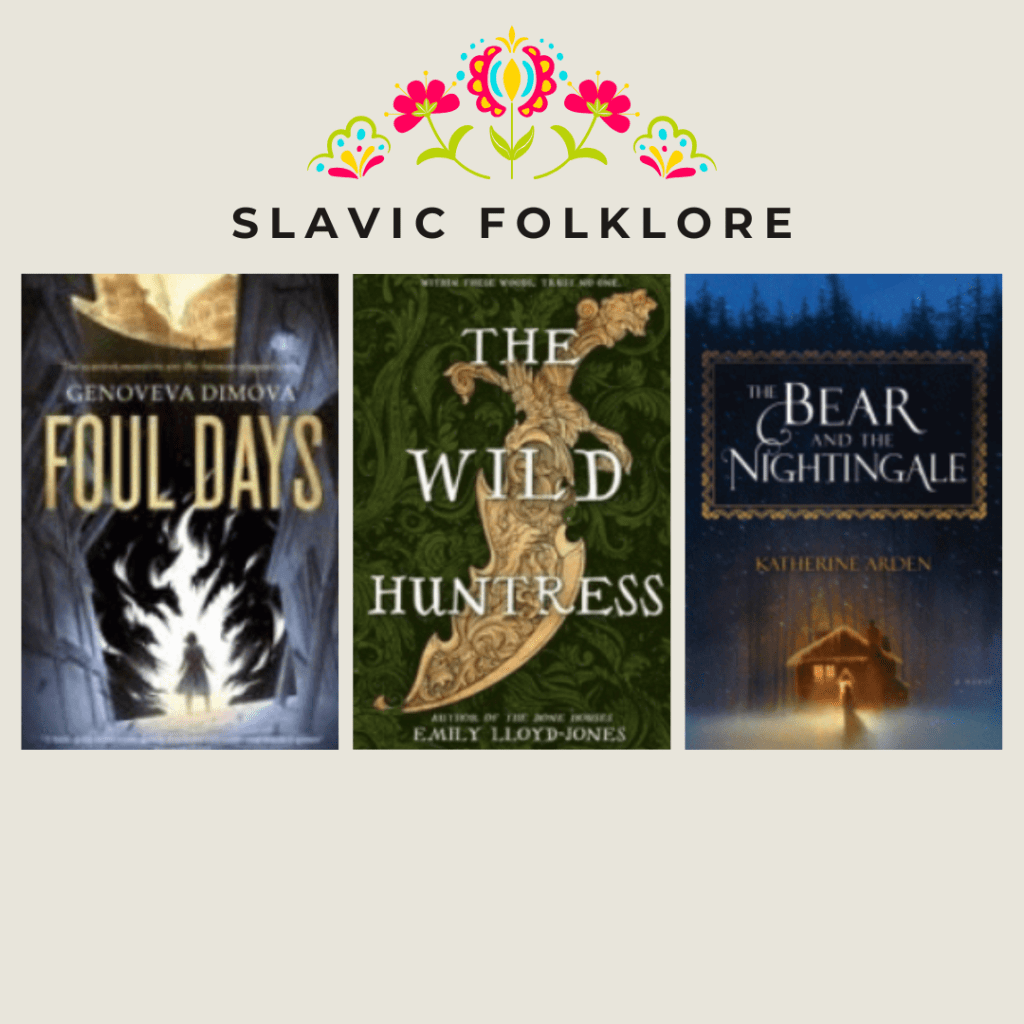





 The Library Vault
Leave a comment