
The Correspondent by Virginia Evans
People express themselves in various ways. Some of those expressions are unconventional, and others are sometimes through the simplest forms. Artists may express themselves through a painting and actors through a performance. Mechanics express it through refurbishing a 1967 Mustang; an influencer through the content they create for their followers on the internet. Could expressing ourselves be just another form of connection? In a world where we are constantly available, it seems like we are looking for new ways of connecting. A simple way to not only express ourselves, but to connect, is through letter writing.
The book, The Correspondent by Virginia Evans is not a traditional novel. It is a story told through the correspondence of Sybil Van Antwerp. I have discussed letter writing previously. There is a beauty to letter writing, be it as an expression or bridging connections. Sybil Van Antwerp uses this form as an expression, to make sense of her world. Every morning, Sybil sits down and writes. It could be to her brother, her best friend, her neighbor, the Dean of English Studies to audit classes and even Joan Didion. Through these correspondence the reader is enveloped in Sybil’s world. We come to know her and her different identities through her life. The correspondence are filled with wisdom of a life well lived. We come to know Sybil and cherish her as a mother, wife, sister, divorcee, orphan, and a successful lawyer.
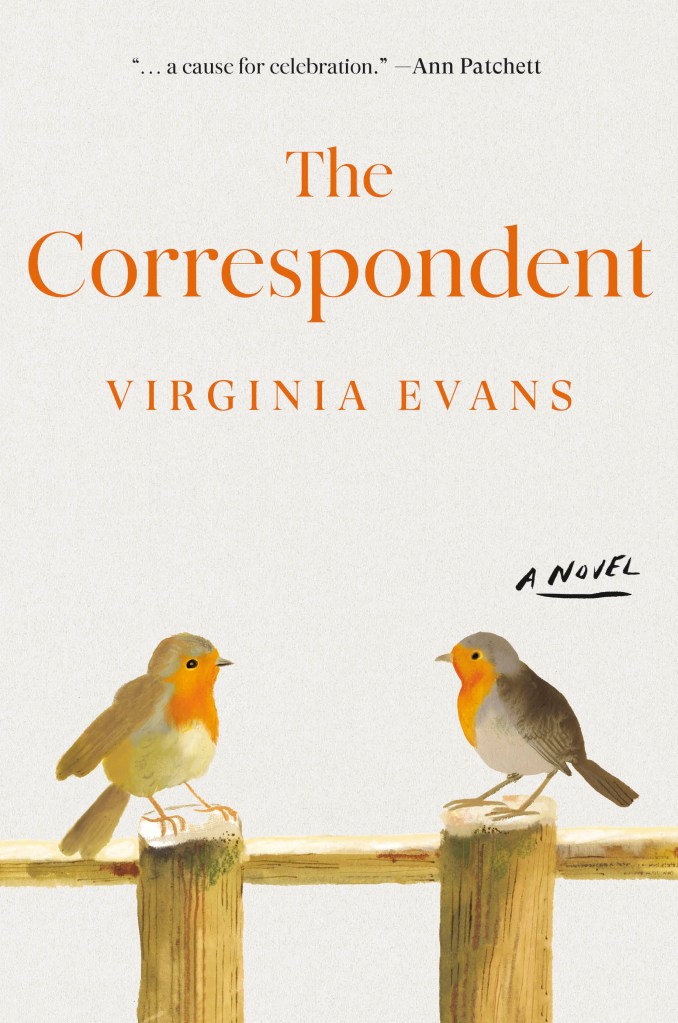
The Correspondent does everything a novel is meant to do. I felt happy. I felt sad. I cried. Anger crept in from time to time. If Sybil was trying to make sense of the world, aren’t these emotions going show up? The world is not easy and neither is life; however, it is a journey we are all on. Sybil chose to express herself in her writing, to create connections with people consumed in our own little worlds. The correspondence display life and portrays it humbly. Sybil as a character is older, but that should not deter any reader. Sybil’s story can be read by any reader of any age. It is meant for the masses. It could even be coined as a ‘buzz book.’
A buzz book, a nice alteration and a catchy term. It was recently discussed in a meeting and The Correspondent instantly came to my mind. Now, what does it mean? Buzz book, is a phrase, it is a highly anticipated book coming to the reading scene. Is this a marketing term? Maybe, but I think it can be used loosely. I don’t think it needs to be a recently published book. It could be a book published at any time, but have a resurgence into the mainstream. Right now, Wuthering Heights is a buzz book because the recent film adaption. This is true for the novel I am sharing with you today. NPR called this book the sleeper hit of 2025. It’s also buzzing in the first quarter of 2026 as the book circulates among the populace and its reputation spreads.

I was recently working the circulation desk and a patron returned the book. I asked her, “Didn’t you love it?” The patron’s answer was, “Of course.” Which led us into a fun book discussion. Sybil’s character has created connections beyond the page and into our own lives. Maybe a buzz book does that or maybe it is just a really good book.
Buzz book, a really good book, should be paired with a wine that holds similar characteristics. Over the years, there have been buzz wines like Kim Crawford and then there was the Sideways effect, when everyone hated Merlot and loved Pinot Noir. Then Orange wines and natural wines came to the scene. Then we went from rosé to frosé, and so many more. I won’t even discuss canned wine, that was a completely different scene. A buzz wine that is humble and wholesome to the crowd must be a Sancerre.
Sancerre is a buzz wine because it is more than popular. It is a brand itself. This is from an article from punchdrink.com and it is so right. For so long, the popular wine was a Chardonnay or a nice crisp Chablis (which is actually a type of Chardonnay). In the recent years, Sancerre has forepast as the new reigning buzz wine. I’ve written about Sancerre, and specifically about a Sancerre Rouge. This time, we are not discussing the red version, but the white.
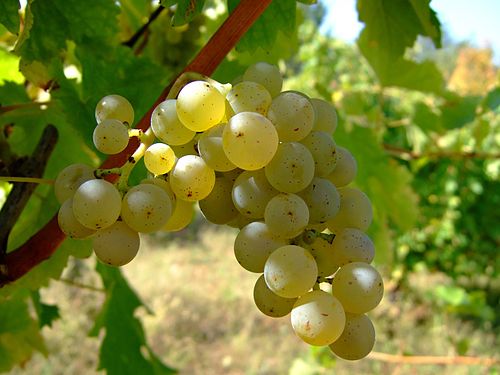
Sancerre is a region and not a grape: a common misconception. The white grape from the region of Sancerre is a Sauvignon Blanc. If drinkers think that way, then didn’t the popularity or buzz — or I should really say, the brand — speak for itself? Well, I think so. Wines from Sancerre are dramatically increasing in price. Is it because of the buzz? When someone looks at the wine list and sees Sancerre they will decide on that one, even though it may range from easily $20 -$40 a glass, because people know the name. An equally good Vino Verde or Picpoul de Pinet may only be $12 a glass, but the name recognition of Sancerre seals the deal. That is the buzz wine foregoing its duties. I will cease from this discussion of prices, but I think it is evident that, due to this, people are deciding on Sancerre for the name and for the buzz, rather than the contents. Will they be disappointed? No.
A delicious Sancerre is crisp, elegant, with vibrant acidity and a mineral tone — little bit like our protagonist, Sybil Van Antwerp. Sancerre is the buzz. I can’t decide on which Sancerre is the best to pair with Sybil, so Sybil gets the whole region. I suggest that if you wish to try a Sancerre Blanc, grab a bottle from a local packy. Or, the next time you are out to dinner, have a glass.
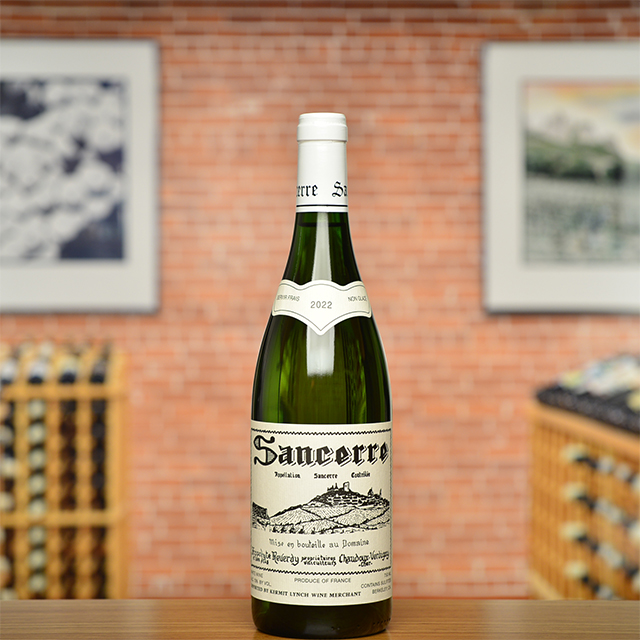
Sybil is larger than life and the letters she writes to bridge connections are the most important concept from The Correspondent. Sharing a glass of Sancerre also bridges a connection. It is more than the buzz, literally and figuratively. Having a glass of Sancerre is connecting people together around the world because they are all receiving a taste of a really great wine. If we keep peeling back the layers to that wine — just like we read through all the letters between Sybil and her community — there is something larger than ourselves. Bridging these connections by either sharing a popular wine or writing a letters is a true form of human expression.


Leave a comment