
By Caro Claire Burke
I entered the workforce in the height of “girls boss*” era. The term “girl boss” was allover social media, decorative designs for coffee mugs and stickers to place on your emotional support water bottle. It was cool to climb the corporate ladder, to be the breadwinner, and the next CEO. It feels like the idea of the “girl boss” is leaving the stage. It is leaving the stage for many reasons. I think burnout is one, but one way the pendulum is swinging is to the complete opposite of what it means to be a “girl boss.” There are communities of women who are bringing back the traditional wife. Social media coins this term as a “tradwife.” Are these women actually playing the role as a tradwife or are they curating their life to appear that way? I think it is important to define tradwife before pursuing furthe. Webster Dictionary defines tradwife as,
“A tradwife is a married woman who embraces traditional gender roles and values; the word is particularly used for a young woman who chooses to be a homemaker and shares her lifestyle online. It is closely associated with a 2020s social media trend widely viewed as ultraconservative.”
Personally, I would love to stay at home and bake bread. I learned about the term tradwife and the connotations just recently. Oh man, was I using it incorrectly. I think by defining it clearly demonstrates the culture and the book discussed. I appreciate that the definition hones in on describing it as a married woman sharing her lifestyle online.
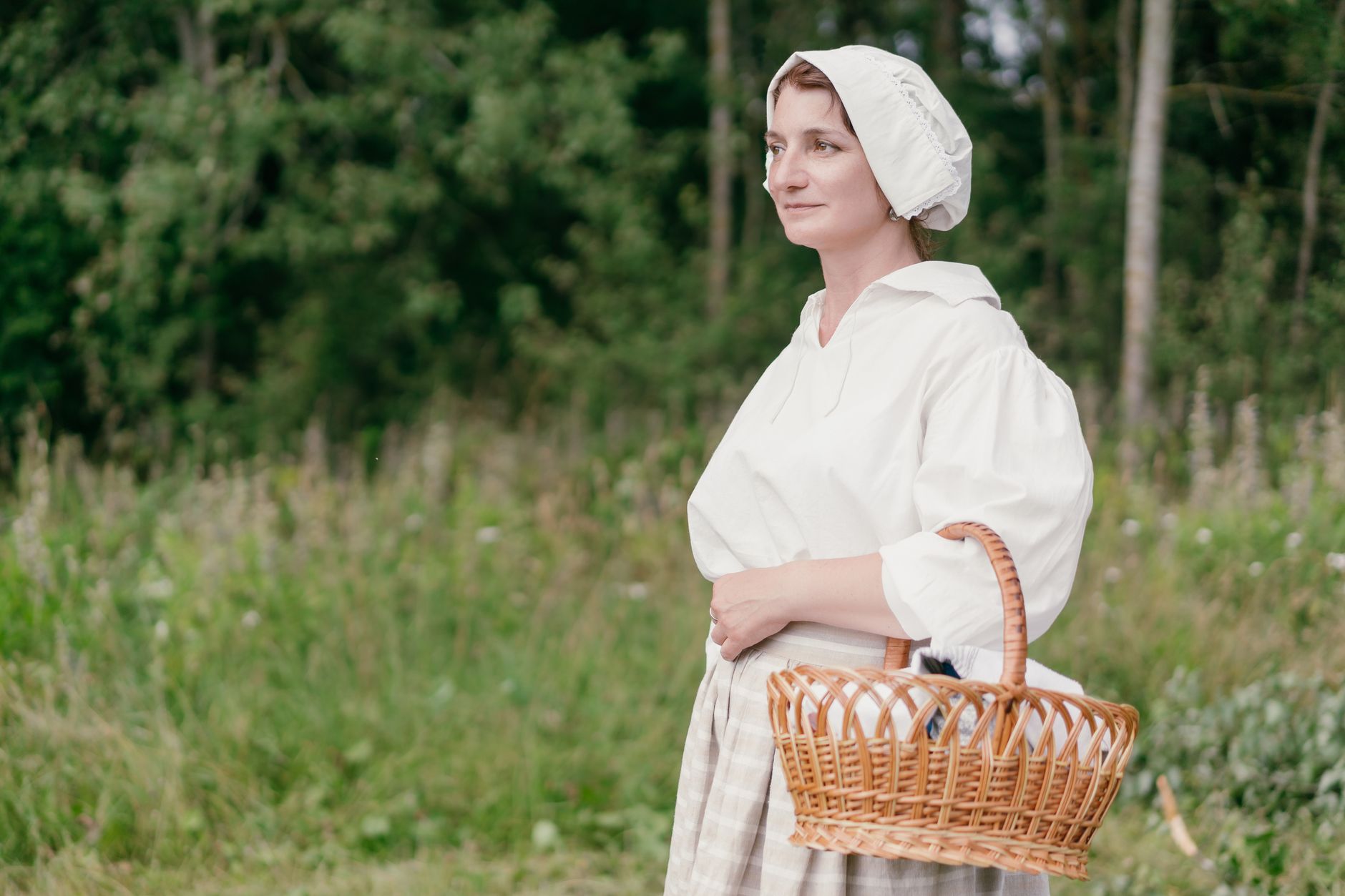
As a person who uses social media, and sharing things online we tend to curate our feeds like we curate our algorithms. The homemakers of social media are simply curating their life, right? People curate other things too. Is it bad to curate? As librarians we are curators. We curate our collection to fit the needs of our community. Influencers and tradwives are also curators. They are curating their social media pages to fit the needs of the community that tunes into their channels, their posts and what have you. One book that has hit the shelves recently has taken this concept of curation and turned it on its head.
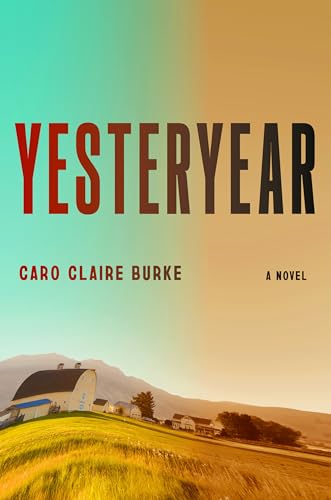
Yesteryear by Caro Claire Burke is on everyone’s reading list for 2026. People are talking about this book. There is a reason to talk about it. My social media feed is filled with people reviewing it, people recommending it, and podcasts discussions like ours at Russell Library, Top Shelf. So, why is everyone raving about this book? Why do we care about tradwives and the concept of curation? It all begins with Natalie Heller Mills. She was just about perfect. Or, that was how she curated herself to be.

Natalie has the perfect life. She bakes the perfect bread; she has the perfect husband; the perfect farmhouse; and the most beautiful perfect children. Natalie is in this sphere of what it means to be a tradwife. The curation of her online presence entices her followers, but also ragebaits them green with envy. How can someone have the most perfect lifestyle? Well, is it perfect, or is this just how Natalie wants to appear? The creation of “perfect” is more of a performance with a team curating … until that curation becomes a reality.
Natalie wakes up one morning and everything is similar, but different. Natalie appears to have gone back in time; however, her husband is still her husband and her children seem to be hers, but are they? Natalie is now literally living on the prairie. They wash their own clothes, are warmed by a fire, and there is no technology available to actually to curate this reality. Where is she and how did she get here? Is this time travel or just a dream? This is not the life Natalie wants. She needs to run far, far away.

Caro Claire Burke has taken this concept of performance, tradition, curation, faith, and womanhood to a level that we have not truly discussed before. If anything, for so long women were running away from these topics. Now, with social media blasting it in our faces, it brings another level to the discussion. Yesteryear is an enticing novel that people are running to read. It makes them sad, have pity, are infuriated, but most of all it makes us look at the bigger picture.
Yesteryear spans vast number of topics, creating many different conversations to be had. Caro Claire Burke has women talking and discussing these difficult topics. Most importantly, women are talking and the best way to discuss this book is over a bottle of Veuve Clicquot.
Since curation and performance are on brand with Yesteryear and with a female lead character, I could think of only person: a woman who became an international business leader, made use of her identity, and created one of the most influential and well known champagnes in the world.
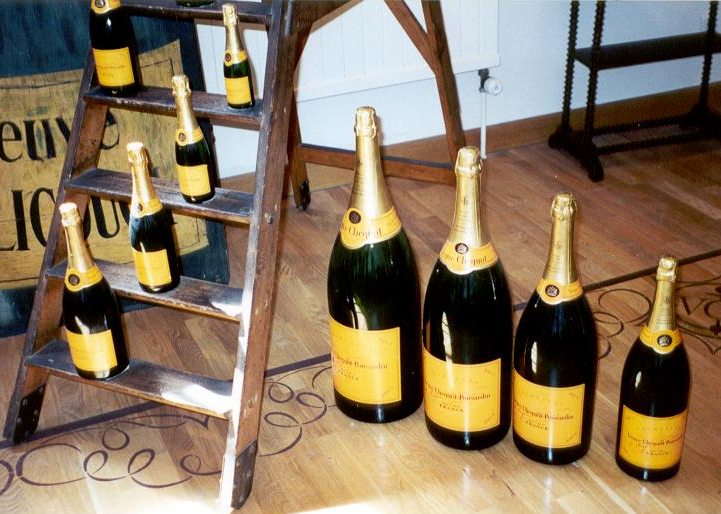
We all know it, it is the yellow label known as Veuve Clicquot. Literally meaning Widow Clicquot. A woman who revolutionized the wine industry and marketed her almost dying business to become one the most well known champagnes in the world. It was done through her own curation, just like how Natalie curated her world to become an influencer and an online sensation.
The woman behind Veuve is Barbe-Nicole. She married into the Clicquot family and turned champagne as a beverage only for the wealthy to be able to drink among other classes in society. Barbe-Nicole took her inheritance and created an empire. The true definition of a “girl boss.” The business was failing and by taking a chance on it and gambling it against a naval blockade, then the rest was history. If you want the full story of Veuve Clicquot please click here to read an article from the Smithsonian Magazine for more detailed information.
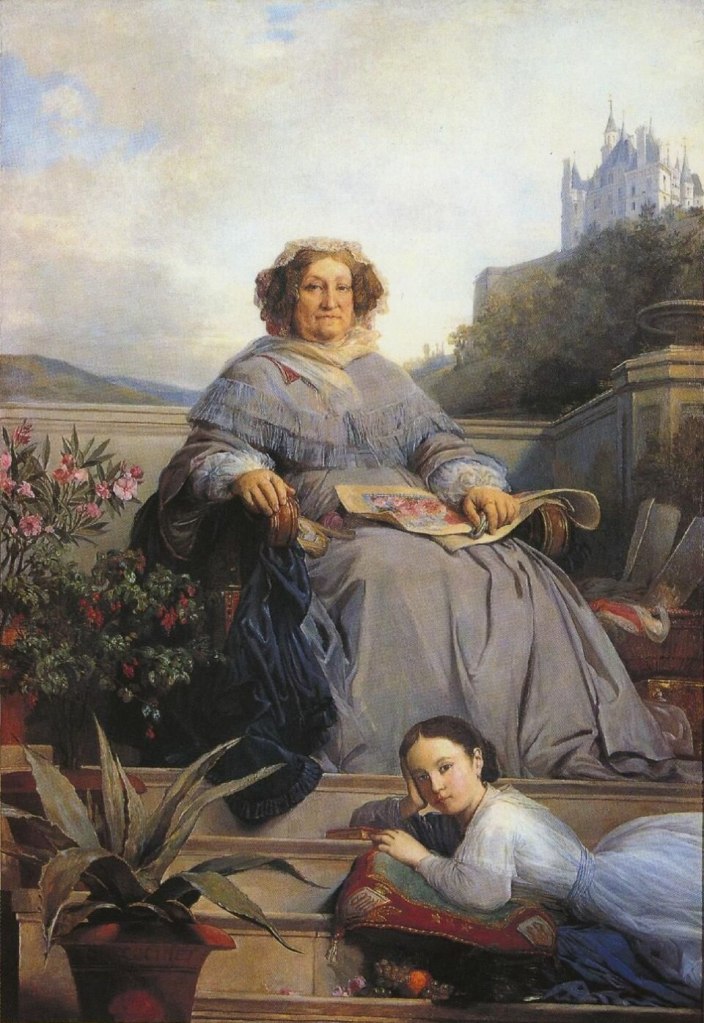
Barbe-Nicole turned the wine industry on its head, and one would think how is Natalie from Yesteryear in any comparison to the brand of Veuve Clicquot? Well, they are both branding themselves. They have marketed their product. Natalie markets her ideal lifestyle through social media. At the end of the day, aren’t these one in the same? They are both performing to get their brand across.
Just remember, Natalie is performing. Is she actually a “girl boss?” Well, you will have to tune into Yesteryear and find out. Pick up a bottle of Veuve, it is meant to be perfect, but is it really the best champagne?
*P.S. “girl boss” is in quotations for a reason. It is brings up an entirely different conversation. But the question reigns, was there ever a “girl boss” era? Did women actually have the full potential to be a “girls boss?” If you would like to learn more, please tune in to Caro’s Podcast Diabolical Lies. Caro Claire Burke and Katie Gatti have a well thought-out discussion on the term “girl boss.“


Leave a Reply